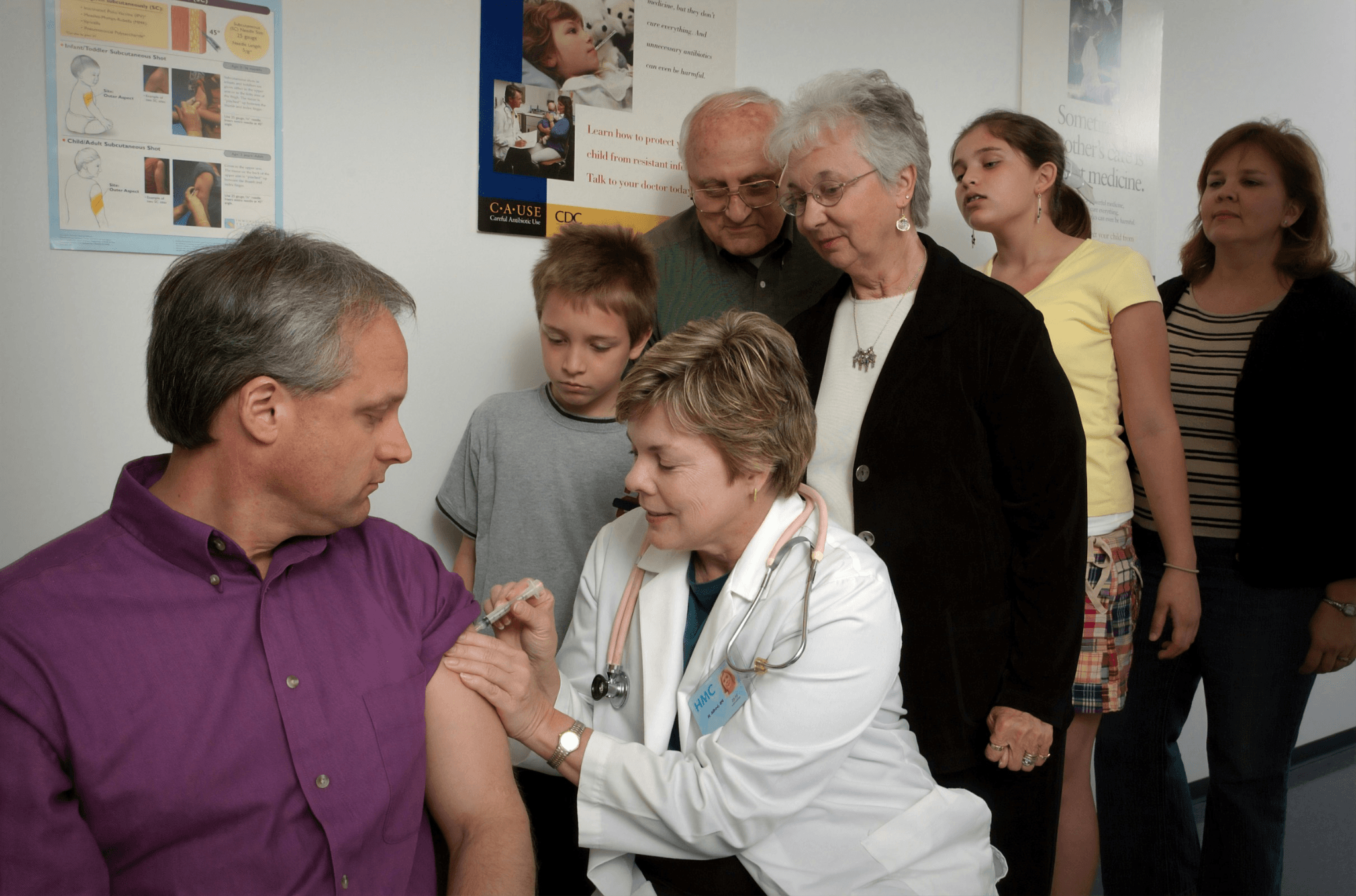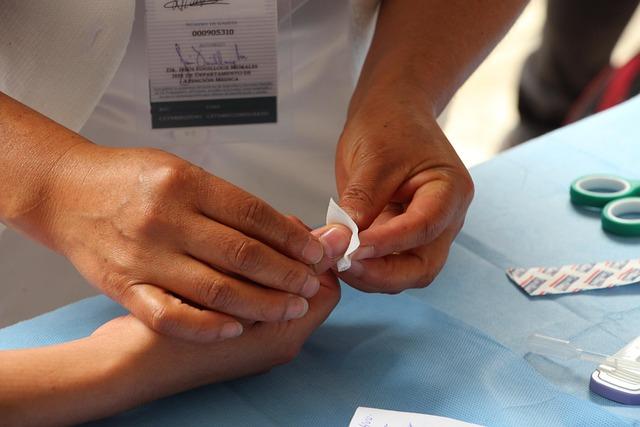
Registered Nurse to Master of Science in Nursing degree programs are increasingly popular options for working registered nurses to pursue an advanced degree for clinical or leadership roles. With flexible scheduling, students are able to continue in their current professional roles while receiving clinical mentorship specifically tailored to the healthcare market. According to the U.S. Bureau of Labor Statistics, nurse practitioner employment is estimated to grow 38% from 2022 to 2032.
More registered nurses these days are choosing to advance their education and training with minimal impact on their professional work. Due to this preference, many nursing professionals are choosing online options for RN to MSN programs.
Advanced practice roles for registered nurses and healthcare providers in the U.S. continue to face shortages in nursing roles, and data from the U.S. Bureau of Labor Statistics show that nurse practitioner roles are among the fastest-growing roles within the healthcare field.
This article looks at the need for the expansion of RN to MSN pathways and the impact of these pathways on nursing career progression.

Table of Contents
Why More Nurses Are Choosing Online RN to MSN Pathways
Flexible, integrated training programs for registered nurses prepare them for advanced clinical roles while allowing them to remain employed in clinical nursing. Most integrated training programs offer higher degree academic education combined with supervised clinical practice that develops diagnostic and clinical judgements.
Several pathways include RN to nurse practitioner programs, which allow nurses to assume a greater role in patient evaluation, diagnosis, and treatment planning.
Flexible online modules within courses allow nurses to tackle assignments on their own schedule, around their shifts and clinical commitments. The demand for advanced practice nurses is on the rise, and as such, enrollment in nursing graduate programs is increasing every year, according to the American Association of Colleges of Nursing.
Primary and rural healthcare employers continue to struggle to fill senior nursing positions in their services. This has led to a rise in the number of organizations that support staff to continue their education while also working. Good nurses are able to gain knowledge and apply it to practice, which helps with professional and patient care continuity.
How Flexible Learning Is Reshaping Nursing Career Progression
Most nursing professionals have to balance work and education for a number of years and are not in a position to leave their job in order to study.
Learning platforms give nurses the opportunity to work on assignments at their own pace and within a schedule. These learning platforms also allow nurses to continue to work and not disrupt staffing commitments within the clinical and community services healthcare system.
The National Center for Education Statistics has reported a rise in the number of postgraduate students whose studies are done within part-time or hybrid models. This has resulted in nurses becoming directors, supervisors, or specialists due to the demand for specialized positions.
Skills Employers Are Looking For In Advanced Practice Nurses
Healthcare employers increasingly expect advanced practice nurses to demonstrate a combination of clinical expertise, communication ability and digital competency. Strong clinical reasoning remains essential, particularly in high-pressure environments such as emergency departments and acute care units.
Workforce surveys from healthcare staffing organisations consistently highlight critical thinking, adaptability and communication as key requirements for advanced nursing roles. These skills support effective decision-making and collaboration within multidisciplinary healthcare teams.
Digital literacy is also becoming more important as healthcare systems rely heavily on electronic health records and data-driven care planning. Nurses are expected to document patient information accurately and interpret clinical data in real time.
Employers also place value on teamwork and interprofessional collaboration. As care becomes more integrated across hospital and community settings, nurses often act as coordinators between different healthcare professionals.

From Bedside Experience to Leadership Roles in Healthcare
Most initial nursing careers begin with hands-on, bedside care before making the jump to leadership and/or advanced practice roles. RN to MSN pathways streamline this process and marry comprehensive clinical training with leadership and systems education geared toward nursing.
In advanced practice nursing roles, responsibility shifts to the management of care teams, clinical operations, and participation in quality improvement within the organization. To be successful in these roles, a combination of clinical acumen and the ability to execute operational decision-making pertaining to the delivery of health care is essential.
Nursing, as a profession, is growing. The Bureau of Labor Statistics reports the same, specifically citing the substantial rise in advanced practice nursing roles. An addition of nursing care demands, paired with an older and more complex patient population, further supports this rise.
The natural evolution of bedside nursing practice may also include the transition to nursing education, in which the nurse remains in the vertical role of a nurse/teacher to hone the practice of nursing. In this role, the nurse more broadly defines the system’s nursing practice, as in the role of a nurse educator.
Looking at Where Nursing Careers Are Heading Next
The same may be said of the RN to MSN Program, as the online delivery of the same is an agent of change in the world of nursing education, as an RN to MSN Program evolves in parallel to the also evolving practice of nursing. In this case, both practice and education are linked. Progress in nursing does not demand a nurse’s withdrawal from practice, nor does RN to MSN Program advancement, as the nursing profession demands and supports precision in practice.
Healthcare systems continue to depend on advanced practice nurses to fill the skill gap created by the demand surge for healthcare services. At the same time, education providers are adjusting their programs to make progression more versatile and within easy reach of professionals within the workforce.
Offering both will influence the clinical, leadership, and specialist career paths for nurses in the future.