It can always feel a little overwhelming when you’re picking what course you want to study. It feels so definite. If you pick one thing and you don’t like it, what do you do? Have you wasted a semester or a year? Well, when you’re in the moment, it can certainly feel like it but after a while, you’ll notice that learning anything, even if it’s not something you’re going to go into, is still a win.
However, you do want to find a study that truly interests you, which is why narrowing it down often helps. If you’ve narrowed it down to an online nursing degree and an online educational degree, well done; that’s already a big step.
Now that you have your two main options, it’s time to pick them apart. You need to figure out the pros and cons of each, what awaits you with each and what jobs you can go into. Regardless of which option you go for, you need to ensure that you pick a university that offers high levels of education and accredited degrees.
Having one that offers both of these options, like with Rockhurst University online degrees is a plus, as it means that you can fully explore both options and potentially even switch courses after a semester if you feel like it, as the university offers both.
Table of Contents
What To Expect From An Online Nursing Degree
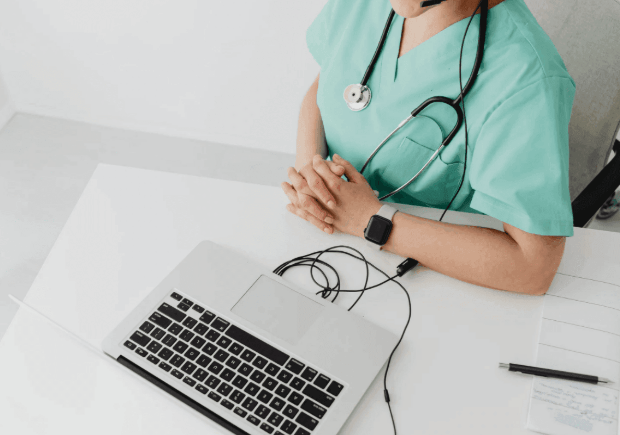
An online nursing degree is pretty rigorous. You have to start with your bachelor’s degree, with a major in nursing. This is what will allow you to even get into the field. With an online course, you get to learn everything you would at an on-campus facility but with the ease of learning from anywhere. This can be pretty handy if you don’t live close to a campus or you enjoy a bit more of a solo structure.
It’s important to note that coursework is typically science-heavy. You have to study anatomy, physiology, pharmacology and patient care techniques. The pace can feel intense, especially for those new to medical concepts.
Clinical training is a major part of the experience. You will spend time in hospitals or healthcare settings, learning how to assess patients, assist with treatments and respond to real-world situations. This is where theoretical knowledge is applied in practice. But don’t worry, this doesn’t come too quickly. In your BA level, you get weaned into this process and it becomes more intense during your master’s.
The workload can be demanding, particularly when balancing studies with other responsibilities. However, the structure of online learning allows for some flexibility, making it easier to manage time compared to traditional programs.
What To Expect From An Online Education Degree

An online education degree focuses more on communication, teaching strategies and understanding how people learn. The coursework often includes subjects like curriculum development, classroom management and educational psychology.
Unlike nursing, the academic material is less science-focused and more centered on human behavior and learning methods. You will explore how to engage different types of learners and adapt teaching styles to suit various environments.
Practical experience is still required, usually in the form of teaching placements or internships. These provide an opportunity to work in real classrooms, observe experienced teachers and gradually take on teaching responsibilities. But again, this is something that comes at a later stage. If you’re just starting with your BA, it’s mostly coursework that you begin with.
Online education programs are often seen as slightly more flexible in terms of workload. However, they still require consistent effort, especially when preparing lesson plans and completing assessments.
Key Differences Between The Two Paths
While both fields involve helping others, the nature of the work is very different. Nursing is focused on healthcare and patient outcomes, often in high-pressure environments. Education centers on learning and development, usually in more structured settings.
Nursing requires comfort with medical procedures and the ability to handle stressful situations. Education, on the other hand, requires patience, communication skills and the ability to manage groups of students.
The daily routine also varies. Nurses may work long shifts, including nights or weekends, while educators typically follow school schedules. These lifestyle differences can play a significant role in decision-making.
Career Opportunities In Nursing And Education
Both fields offer a range of career paths, depending on qualifications and interests. Understanding these options can help clarify which direction feels more appealing.
- Nursing roles include registered nurse, nurse practitioner, clinical specialist and healthcare administrator
- Opportunities exist in hospitals, clinics, long-term care facilities and community health settings
- Education careers include classroom teacher, special education teacher, curriculum developer and school administrator
- Teaching roles are available in primary schools, secondary schools and higher education institutions
These career paths provide stability and growth but the day-to-day responsibilities differ significantly.
Skills And Personality Traits To Consider
Choosing between nursing and education often comes down to personal strengths and preferences. Each field requires a specific set of skills that influence long-term satisfaction.
If you are someone who is detail-oriented, resilient and comfortable working in fast-paced environments, then nursing might be the ticket for you. It requires emotional strength, as dealing with illness and patient care can be challenging, so please bear this in mind.
Education is often a better fit for those of you who enjoy communication, creativity and guiding others. Patience and adaptability are key, especially when working with diverse groups of students.
Making The Right Decision For Your Future
Deciding between nursing and education is ultimately about understanding personal goals and lifestyle preferences. Both fields offer rewarding careers but they demand different types of commitment and skill sets.
Exploring each option in detail, speaking with professionals and reflecting on long-term goals can provide clarity. You can always go to the university of your choice and go to a visitors’ day so that you can ask more in-depth questions.
Take the time to evaluate both options carefully and be patient with yourself as you make the choice.