Plenty of degrees leave you having to figure things out after the fact. Social work does not. The training leads somewhere specific, and the jobs on the other side are already there.
A lot of degrees leave you with options, but not direction. You finish, you start looking at jobs, and it becomes clear pretty quickly that employers want something specific. They are not asking what you studied in general; they are asking what you can do on day one. That gap between education and hiring is where many people get stuck, especially when the next step is not clearly mapped out.

Table of Contents
When a Degree Doesn’t Point to a Job
It happens more often than people admit. A degree gets completed, applications go out, and the responses come back thin. Not because there is no effort, but because the link between the qualification and the role is not obvious to the person doing the hiring.
Some fields remove that ambiguity. They expect a defined level of training, and they filter candidates based on whether that training exists. Social work sits in that category, where entry is tied to a recognised pathway that leads into licensed roles and supervised practice.
That is where a masters social work online course fits in. It is structured around clinical preparation, with coursework and field placements built into the programme so that graduates move into roles that require both formal training and real-world experience. The outcome is not open-ended; it leads toward positions that expect a specific qualification.
What Hiring Actually Looks Like Now
Employment of social workers in the United States is projected to grow by 6 percent from 2023 to 2033, with around 67,300 openings each year as workers retire or move into different roles. That demand is tied to real pressures in healthcare, mental health services, and community support systems.
Hiring, however, does not leave much room for guesswork anymore. Roles are defined tightly, and employers tend to screen candidates based on whether they meet clear criteria before anything else gets considered.
A look at hiring practices shows how that filtering works in real situations. Applications are sorted quickly, often before a human conversation takes place, and the people who move forward tend to match the role on paper from the start.
That changes how career decisions get made. A general degree can still open doors, but it often needs something more focused attached to it. Employers want to see evidence that a candidate can step into a role without a long adjustment period, which is why structured training routes tend to carry more weight.
Careers That Still Have a Clear Entry Route
Not every career path feels uncertain. Some follow a defined sequence, where the steps are known before you even begin. Social work is one of them, and it has not drifted into the same grey area as many other fields.
The route is clear. Training leads into supervised placements, and those placements lead into roles that sit within a regulated system. It is not vague, and it does not depend on interpretation from one employer to the next.
That clarity tends to attract people who are tired of guessing their next move. There is a difference between exploring options and knowing what the next step is meant to be, and that difference shows up quickly once job applications begin.
Where Experience Starts Before the Job Does
One part of social work training stands out once you look at it closely. You do not wait until you graduate to see what the work feels like. The programme builds that exposure in from the start, and it is not optional.
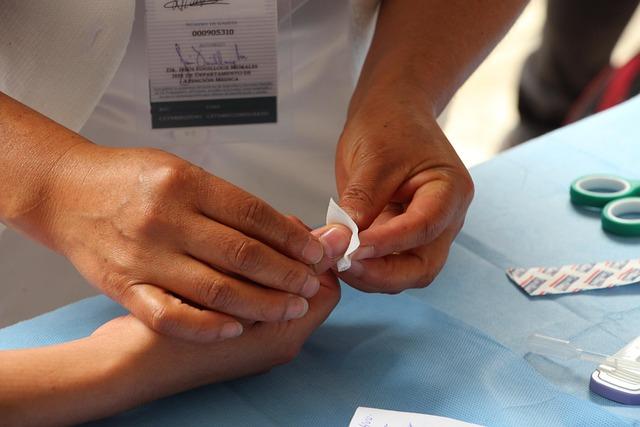
Field placements form a large part of the process. In many cases, that means more than 1,000 hours spent in real settings under supervision, working alongside professionals who already do the job. It is structured, assessed, and tied directly to the rest of the coursework, so it is not treated as a side activity.
That changes how prepared someone feels when they apply for roles. There is a difference between understanding a concept and having worked through it with actual clients, and employers tend to notice that difference quickly. It shortens the gap between training and employment, because the experience is already there before the first interview even happens.
What the Work Actually Involves Day to Day
The day-to-day work is not abstract. It involves direct interaction with people who need support, often in situations that require careful judgement and steady communication.
A social worker might spend part of the day meeting clients, then move into coordinating care with other professionals. Hospitals, schools, and community organisations all rely on that role, and the responsibilities can shift depending on the setting.
Building a Career That Has Direction
There comes a point where options stop being useful and direction becomes the priority. A career that leads somewhere specific removes a lot of the friction that shows up during a job search.
Some paths stay open-ended, and that can work for the right person. Others are built around a clear outcome, where the steps lead from training into a defined role. Social work sits firmly in that second category, and it appeals to people who want to know where their effort is going.
That does not make the choice easier, but it does make it clearer. When the link between study and employment is visible from the start, the decision becomes less about guessing and more about committing to a path that leads somewhere real.