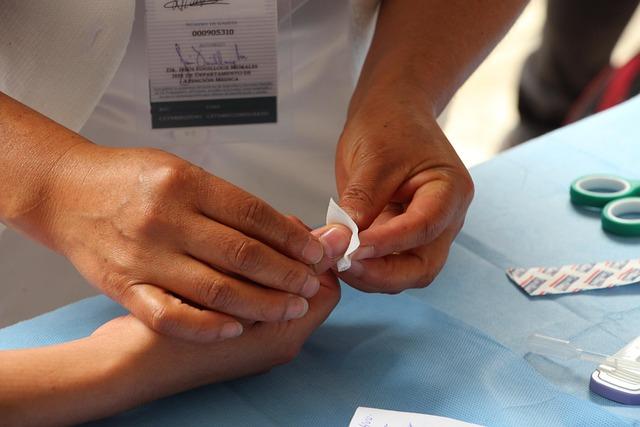
Demand is strong, but getting hired still depends on real clinical experience, and that’s where many new graduates fall short
Everyone says nurse practitioners are in demand right now, and that part checks out. The problem shows up when it’s time to get hired. Finishing your training is one thing; convincing someone to bring you onto a team is something else. Most roles still expect real clinical experience, and a lot of new graduates realise too late that they don’t have enough of it.

Table of Contents
Experience Still Decides Who Gets Hired
Employers do not spend much time on theory once you’re in front of them. They want to know what you’ve actually done. That usually means time spent in real clinical settings, working with patients, dealing with pressure, and learning how decisions play out in practice. A degree gets you in the conversation; experience decides whether it goes anywhere.
There is also a practical side that gets overlooked. Many students understand the nurse practitioner job outlook but struggle to connect that to the steps needed to get hired. The path is clear when it’s broken down properly, and the process of finding placements, building experience, and moving into a role is laid out. That connection between study and employment is where most people lose ground.
Even in strong programs, there is no guarantee that clinical exposure will match what employers expect. Some placements are limited in scope, and some do not give enough patient interaction to build confidence. That leaves graduates trying to bridge the gap after they finish studying, which is a harder position to be in.
Healthcare Growth Is Real But So Is Competition
The demand for nurse practitioners is not speculation. Employment in this field is projected to grow by 35% between 2024 and 2034, with about 32,700 job openings each year. That kind of growth puts healthcare ahead of most other professions in the United States.
Strong numbers attract attention. More students enter the field because the outlook looks secure. Training programs fill up, graduation numbers rise, and hiring managers end up with a wider pool to choose from. Demand is high, but expectations rise with it. Clinics and hospitals can afford to be selective, and they usually lean toward candidates who have already worked in real environments.
There is also a geographic factor that comes into play. Some regions have more openings than others, while certain specialties are harder to break into. That means not every graduate is stepping into the same level of opportunity, even when the overall outlook looks strong on paper.
Clinical Placements Are the Real Bottleneck
Clinical hours are not optional. They are built into nurse practitioner programs, and without them, you do not graduate. The problem is that placements are not always handed to you. In many cases, students have to find their own preceptors, arrange schedules, and make the whole thing work alongside their coursework.
That search can drag on longer than expected. Some students reach out to dozens of clinics before they get a response. Others settle for placements that do not give them enough exposure to build confidence. When that happens, the gap shows up later, during interviews, when employers ask about real-world experience and the answers feel thin.
There is also a time pressure that does not get enough attention. Delays in securing a placement can push back graduation timelines, which then delays entry into the workforce. That adds stress at a point where most students are already managing exams, coursework, and financial pressure.
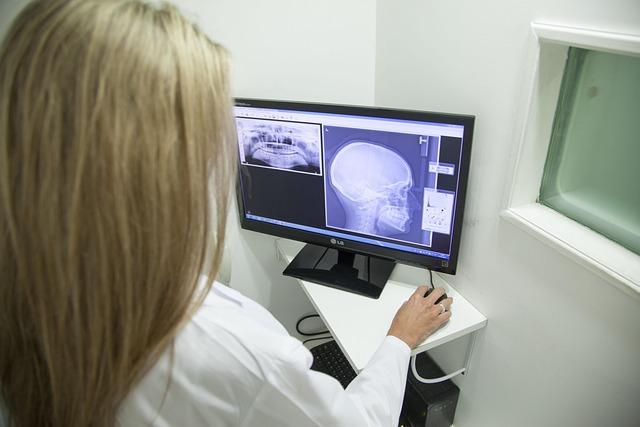
Early Experience Changes the Hiring Conversation
Graduates entering the job market are dealing with more than just competition. Hiring standards are rising across multiple sectors, and healthcare is no exception. Employers expect new hires to arrive with a baseline level of confidence, not just knowledge from textbooks. That pressure is already showing up in broader hiring trends, where graduates face tougher entry requirements across industries.
Clinical experience changes the tone of an interview. Conversations move away from theory and into real situations. It becomes easier to explain decisions, talk through patient interactions, and show that you can handle the pace of a working environment. That difference is hard to fake, and hiring managers tend to pick up on it quickly.
There is also a confidence factor that builds through repetition. Seeing similar cases, working with different supervisors, and handling small decisions on your own all add up. That kind of exposure shows when you speak, and it often separates candidates who are ready from those who still need time.
From Qualification to First Job
The job market for nurse practitioners is strong, and the numbers support that. Getting into that market still comes down to preparation. Clinical experience builds familiarity with real cases, gives you something concrete to talk about, and shows employers that you are ready to step into the role.
That preparation does not happen by accident. It depends on the placements you secure during training and the exposure you get before graduation. Candidates who come through that process with solid experience tend to move faster once they start applying.
There is a clear pattern in how hiring decisions play out. Employers lean toward candidates who can step in with minimal adjustment. That does not mean knowing everything, but it does mean having seen enough of the job to handle the basics without hesitation. The opportunity is there, but getting to it takes more than finishing a program.